
LED Strips: Complete Guide, Benefits and Installation
Today we're talking about LED strips, a product that has advanced enormously in recent years and has become an essential element for lighting homes and businesses of all kinds. At JIEMline, we work with this product every day, so here's everything you need to know before installing it.
Discover below its advantages, its color and temperature options, and our recommendations for a correct, long-lasting installation.
Advantages and recommendations of LED strips
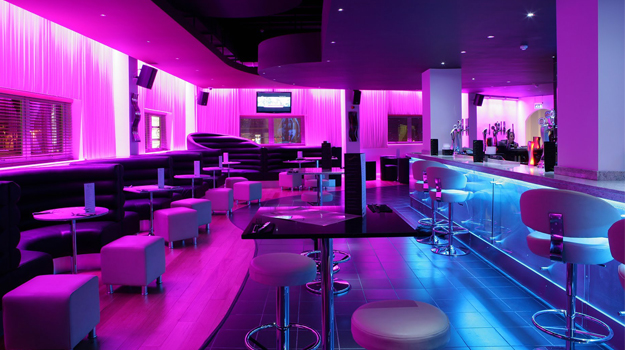
Thanks to their flexibility, LED strips let you create unique lighting spaces: you can directly illuminate the areas you want, or simply add an intimate touch with indirect light.
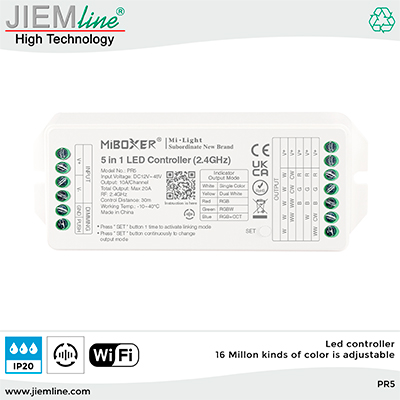
LED strips are manufactured on a PCB that gives the product flexibility, allowing them to easily adapt to almost any space you want to illuminate. Using our smart controllers and WiFi technology, you can remotely control and adjust brightness, CCT and RGB (up to 16 million colors), or play beautiful lighting effects, blending perfectly into any environment you like.
In addition, LED strips use 80% less electricity than traditional incandescent bulbs, so you'll notice a significant reduction in your electricity bill.
Installation ideas for your LED strips
They're perfect for lighting the underside of kitchen cabinets, behind the TV to reduce eye strain, above the headboard of your bed, or to highlight stairs and hallways. The possibilities are almost endless: any corner you want to highlight can benefit from a well-installed LED strip.
Color and temperature options
The color options for LED strips are usually the following:
- 2700K - 3200K for warm white.
- 4000K - 4500K for neutral white.
- 6000K - 6500K for cold white.
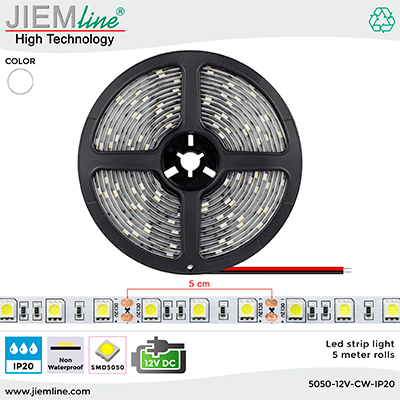
- 2700K - 6500K for adjustable CCT with controller (warm white to cold white).
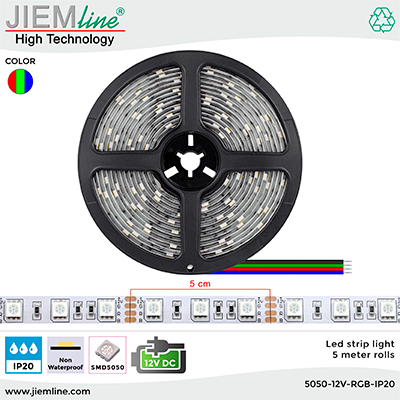
- RGB.
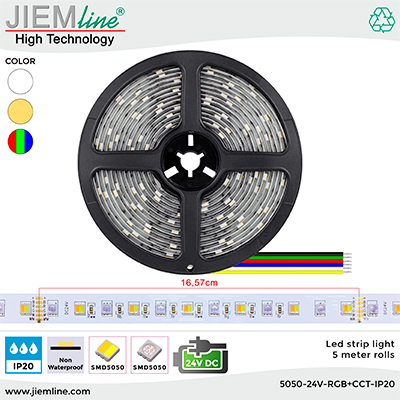
- RGB+CCT.
Installation: voltage, cutting and mounting
The LED strips sold by our brand JIEMline operate primarily on DC12V and DC24V voltages, so you will need to use a power supply suitable for your installation. To choose the right power supply, multiply the wattage per meter of your LED strip by the total length in meters, and add a 20% safety margin. If you're unsure, contact us and we'll help you calculate it. It is recommended that you hire a qualified professional for proper installation, or you can simply contact us by phone or send us a message using the button Contact us and we will answer all your questions.
You can also modify the length of the LED strips by cutting them at the copper segments marked on the PCB where the LEDs are mounted. You can use our solderless connectors to create and join the shapes you want in your lighting project.

Another point to consider is that LED strips emit heat, so we recommend using aluminum profiles with diffusers for installation: this dissipates heat and extends the product's lifespan, while also preventing dust or kitchen grease from damaging it.
The IP rating that comes with each LED strip indicates its level of protection against water and dust: IP20 is for dry indoor spaces, IP65 resists splashes, IP67 can handle occasional immersion (ideal for outdoors or bathrooms), and IP68 is suitable for permanent immersion. So, if you're installing indoors in a dry space, IP20 LED strips are recommended; for a bathroom or outdoors, you should use an IP67 product, since it's designed to withstand harsh weather conditions without damage.
Our IP20, IP65, IP67, IP68 LED strips
Our RGB+CCT remote controls
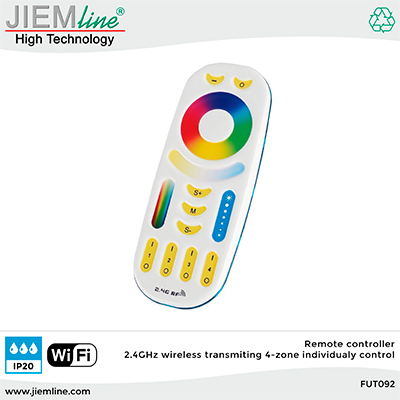
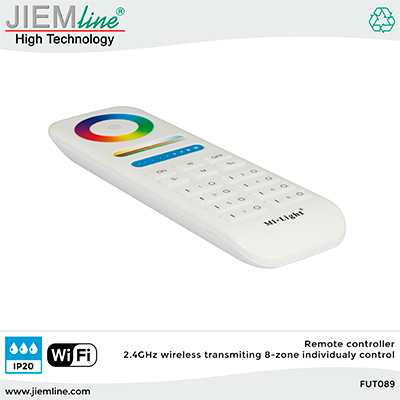
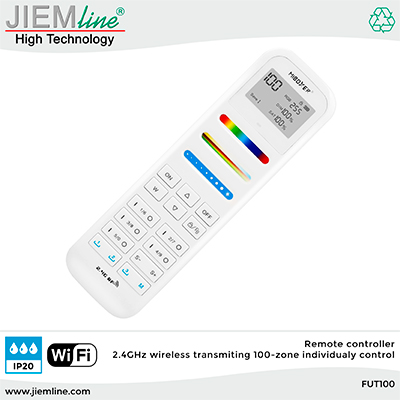
Our RGB+CCT LED controllers
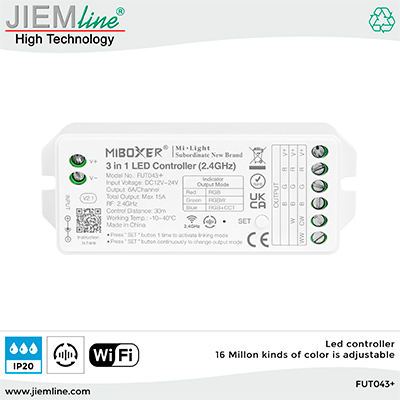
You can find the dimensions and other specifications in each product's data sheet, and we invite you to explore the other categories on our website. For any questions or suggestions, email us at info@jiemline.com. At JIEMline, we'll help you find the perfect LED strip for your home or business.